23 سپتامبر 2026
Lost Wallet in Bali With No Cash? What to Do in the Next Hour
Lost your wallet in Bali with no cash or cards? A calm, step-by-step guide covering card freezes, ATMs, and same-day crypto-to-cash options for the next hour.
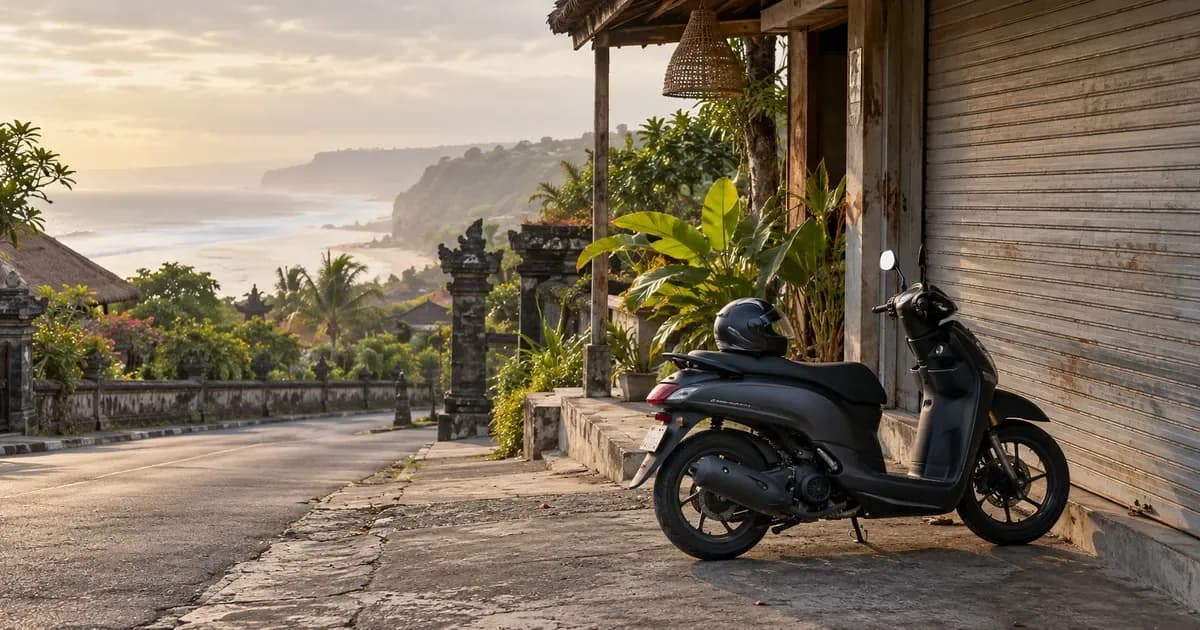
A lost wallet in Bali with no cash and no working cards is a stressful problem, but it is a solvable one, and most of what you need to do happens in the next sixty minutes. Start by separating the two issues: replacing your identity and payment cards, and finding rupiah in your hand today. The first is a paperwork problem you can start from your phone. The second is the one making your stomach tight right now, and it usually has more than one answer, from a nearby ATM to a same-day cash conversion if you hold any crypto.
Before anything else, check what is still working. If you have a phone with data, log into your banking app and see whether your card is merely misplaced or actually compromised — a locked card and a stolen one call for different urgency. If someone could be using it, freeze it immediately through the app or by calling your bank's international line; most major banks answer this within minutes. If the card is simply gone and not at risk, you have slightly more breathing room to think through the fastest way to get physical cash into your hands within the hour.
The First Ten Minutes: Cards and Accounts
If you suspect theft rather than a simple drop, call your bank's emergency line before doing anything else, even before searching your bag one more time. Most international cards can be frozen from inside the banking app in under a minute, which stops the situation from getting worse while you sort out the rest. If you are staying somewhere with reception staff, tell them what happened — many villas and guesthouses in Bali have seen this before and can hold your bill until you have cash again, which buys you time without adding pressure to the next hour.
Once the immediate risk is contained, take stock of what you actually have access to: a phone, an internet connection, anyone nearby who can lend you a small amount, and any crypto wallets you might be holding for travel. A genuinely lost wallet in Bali with no cash on hand is rarely a dead end — it is usually a sequencing problem, working out which of several slower options you can turn into fast cash first. The checklist below covers the routes most travellers try, roughly in the order they are worth attempting.
- Check your banking app for a temporary freeze or emergency replacement card option
- Try a nearby ATM if any card at all is still usable
- Ask your accommodation about holding the bill until you are able to pay
- Message a friend or family member for an emergency transfer
- If you hold stablecoins or other crypto, look at converting a portion to rupiah the same day
Conventional Cash Options Worth Trying First
An ATM is still the fastest option if any card at all is working, even one from a secondary account you do not use daily. Bali's ATMs are common in tourist areas, though machines run out of cash or go offline at unpredictable times, especially outside Canggu's busier strips, so it is worth trying two or three locations rather than assuming the first one will work. A bank transfer from family or a partner back home, received through your own banking app or picked up at a transfer counter, is also a solid conventional route if you have someone who can send money right away.
Money changers around Bali are widely used and, for someone with a working card or an incoming transfer, they remain a sensible way to turn foreign currency into rupiah quickly. None of this is a knock against banks or money changers — for plenty of situations, particularly when your cards are simply misplaced rather than gone for good, they are the better choice and the one to try first. The gap they cannot close is when every card is unusable and no one can send a transfer in time, which is where a crypto-to-cash swap becomes relevant rather than optional.
If You Are Holding Stablecoins or Other Crypto
Plenty of travellers now keep a portion of their travel funds as stablecoins precisely because a wallet, a card, or a phone can go missing at the worst moment. If that describes you, a lost wallet in Bali with no cash does not have to mean waiting on a bank in another time zone — it means converting crypto you already control into physical rupiah. CangguSwap is an over-the-counter cash desk built for exactly this: it accepts ten networks — Ethereum, Arbitrum, Base, Optimism, BSC, Tron, Solana, Polygon, TON, and Hyperliquid — so most common stablecoin holdings can be swapped without needing to bridge or convert networks first.
There is a flat 2.5% commission on the swap, with no other charges and no tiered pricing depending on size, so the math is simple to do in your head before you commit. The desk operates 09:00 to 21:00 WITA, daily, which matters if your wallet disappears late at night — plan around those hours rather than assuming a swap can happen in the middle of the night. No identity documents are collected during the process, which keeps things fast, though it also means you should already have decided this is the right route for your situation before you reach out.
How a Crypto-to-Cash Swap Works in Practice
The mechanics are straightforward. You reach out over WhatsApp, agree on the amount you want to convert, and arrange a meeting point or delivery. Delivery is priced at USD 0.50 per kilometre, though the first 10 km are free on orders above USD 1500, so for smaller amounts it is worth factoring distance into where you choose to meet. The order matters here: cash is counted out to you first, in full view, and only once you have confirmed the amount is correct does the crypto leave your wallet — not the other way around, which is the reverse of how many informal exchanges are structured.
This sequencing is the practical answer to the anxiety most people feel about swapping crypto for cash with a stranger: you are not sending first and hoping. It also means the whole exchange can happen in a single meeting, without paperwork, which suits someone dealing with a lost wallet in Bali with no cash and limited patience for extra steps. Rates in crypto markets move, and the desk keeps fixed hours rather than round-the-clock coverage, so treat this as a same-day solution, and confirm current terms directly before you travel to meet.
What to Do Once You Have Cash in Hand
Once you are holding rupiah again, split it — some in a money belt, some in a bag, some in a pocket — so a second loss does not put you back at zero. Pick up a local SIM if you have not already, since a working phone number makes everything from bank verification to booking a ride easier. Start the formal card replacement process with your bank in parallel; most will courier a new card internationally, which takes days rather than hours, so it should run alongside your immediate cash plan, not instead of it.
Questions about how crypto-to-rupiah conversions are treated for tax or reporting purposes are genuinely individual, and the honest answer is to speak with a qualified accountant or tax adviser who knows your home country's rules rather than relying on general travel advice. The same goes for any legal questions specific to your situation. What matters in the next hour is simpler: get safe, get liquid, and work through the options — ATM, transfer, money changer, or crypto swap — in the order that fits what you actually have. If stablecoins are part of your travel kit, CangguSwap's Bali service is one option worth having saved in your contacts before you need it.